Reviving HCW Wellness: Tech, Programs, and Habits for Global Health & Fitness Month
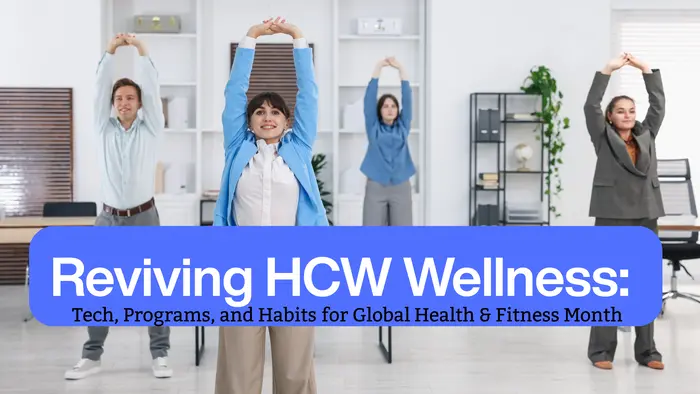
May has always been the Global Employee Health and Fitness Month, that is celebrated worldwide. This celebration is an international initiative that is focused on promoting healthier lifestyles, active teams, and workplace wellness programs that made this month crucial for fostering a culture of well-being to reduce burnout, increase productivity, and strengthens employee engagement.
Companies need to participate in this celebration to help their employees, (who are the most valuable resources of the company) see through their health and invest in them as they are an essential component of the company. Making employee health a core element of a company’s human capital management can lower employee healthcare and insurance costs, improve their morale, decrease absenteeism, and boost their productivity. They need to encourage their employees to register in the GEHFM website and participate in their activities to help them have a healthier lifestyle.
Our healthcare workers (HCW’s) face unique, high stress, and physically demanding conditions that leads to higher morbidity rates compared to other industries. They often struggle to maintain their own health despite having more knowledge in health compared to other industries, leading to burnout, chronic health issues, and injuries. Below are some of the key health and fitness concerns of our HCW’s:
1. Mental Health and Burnout- these problems are due to long hours, high clientele expectations, and emotional exhaustion that also affect their mental health specially after the pandemic, that made our HCW’s have a higher-than-average risk of suicide. Following these problems are substance misuse due to easy access and high-stress environments.
2. Musculoskeletal Disorders- back and joint pains are reported by 77% of our HCWs as their pain in their line of work due to lifting, transferring, and repositioning patients. And these injuries are repetitive strain due to their line of work
3. Lifestyle Diseases and Metabolic Syndrome- obesity and being overweight have high prevalence on our HCWs because of sedentary “downtime” during long shifts and having high calorie diet and lack of exercise leading hypertension, metabolic syndrome, and diabetes. Sleep deprivation is also associated with these problems.
4. Occupational Hazards- being in the healthcare industry makes our HCWs exposed to infectious diseases, Radiation & Chemical Exposures and Workplace Violence.
5. Barriers to Self-care- our HCWs often lack the time and energy to take care of themselves due to extreme fatigue from long shifts.
In our world today, we have a lot of ways to improve the health and fitness of our HCWs. Below are some of the examples:
· Technology-Enabled Proactive care- wearable integration such as smartwatches, fitness trackers, and biometric rings that monitors our vitals for real time clinician oversight. Have remote patient monitoring, have AI-Powered Personalization that have coaches that provide real-time, context-aware reminders for movement, nutrition, and stress management, and Digital Therapeutics & Virtual Reality for improved adherence to rehabilitation and balance training.
· Lifestyle Medicine Initiatives- have prescription for health, GLP-1 Support programs, Preventive Screenings & Check-ups, and Mental Health Integration
· Workplace Wellness Programs- implementing walking meetings, provide smart exercise equipment and subsidize wearables to staff to encourage healthy habits, and offer flexible work schedules and on-site fitness opportunities.
· Community-Based Fitness Program- improving access to walking trails, and recreational areas for safe, outdoor physical activity, develop specialized, low-impact exercise for older adults, launch local games to challenge their wellness and promote consistent, healthy habits
· Nutrition and Preventive Education- increase access to healthier foods, and offer workshops on healthy eating, exercise techniques, and cooking to build skills for sustainable lifestyle changes