Beat Nurse Burnout: Lead with Support, Thrive with Resilience
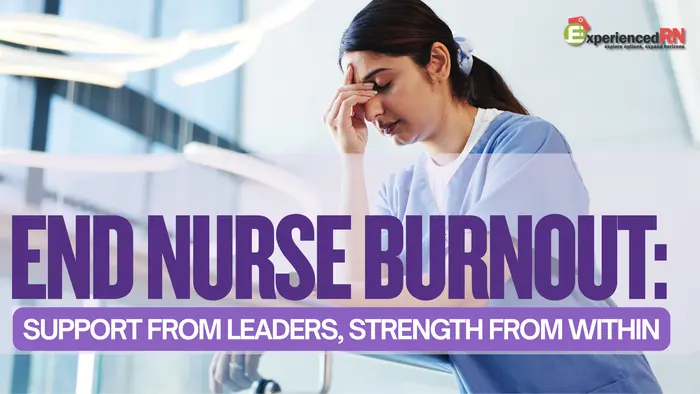
Burnout among nurses is a critical challenge that impacts patient safety, staff retention, and healthcare quality. Solutions require a mix of organizational strategies—like staffing adjustments and supportive leadership—and personal resilience practices such as mindfulness, self-care, and strong social support systems.
The causes of nursing burnout include the high patient-to-nurse ratios and staffing shortages, administrative burdens and lack of organizational support. Burnout has been linked to reduced patient satisfaction, a rise in clinical errors, and significant increases in nurse turnover.
Organizational strategies can be used to lessen the nursing burnout and support the overall nurses’ well-being.
1. Staffing Adjustments – regular audits and creative solutions like virtual nursing and AI support help reduce workload and promote safer patient care.
2. Flexible Scheduling – shift flexibility promotes better work-life balance and often have higher job satisfaction.
3. Professional Development – training, certifications and resilience programs increase engagement and reduce burnout.
4. Leadership Commitment – empowers nurse managers to have nurses involve in decision-making builds trust and improvs retention.
Personal resilience strategies are also vital for nurses because they help protect mental health, sustain energy, and maintain high-quality patient care despite the intense demands of the profession. Without resilience, burnout can quickly lead to disengagement, errors, and even nurses leaving the field.
· Mindfulness & Prayer: Meditation, breathing exercises, or spiritual practices to reduce stress.
- Physical Health: Regular exercise, balanced diet, and adequate sleep.
- Social Support: Leaning on colleagues, family, and friends for emotional strength.
- Professional Help: Counseling or therapy when symptoms persist.
Personal resilience strategies are not optional—they are a survival toolkit for nurses. By practicing mindfulness, maintaining physical health, and building strong support systems, nurses can protect themselves from burnout while ensuring patients receive safe, compassionate care.
Burnout solutions require dual responsibility: healthcare leaders must create supportive systems, while nurses should practice resilience and self-care. When both sides act, outcomes improve—lower turnover, safer patient care, and healthier staff.